उत्पादों का विवरण

Created with Pixso. घर Created with Pixso. उत्पादों Created with Pixso.
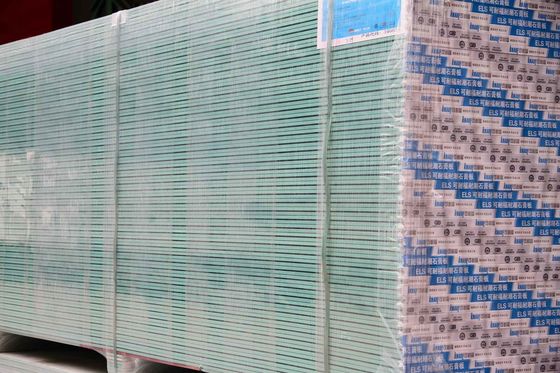
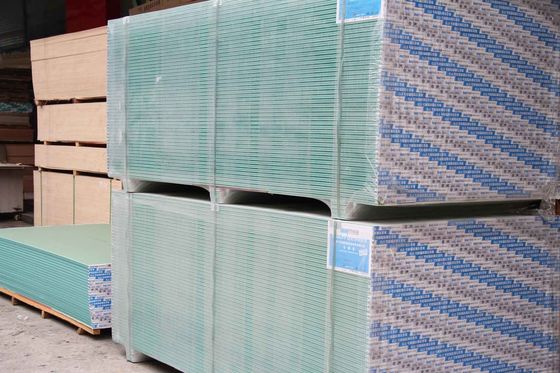
जिप्सम प्लास्टर बोर्ड
Created with Pixso.

Moisture Resistant Gypsum Board vs Cement Board for Wet Area Projects

Moisture Resistant Gypsum Board vs Cement Board for Wet Area Projects

एमओक्यू: 1200
कीमत: $2.30-3
विस्तार से जानकारी
उत्पत्ति के प्लेस:
गुआंग्डोंग, चीन
गारंटी:
5 वर्ष
सामग्री:
प्लास्टर, जिप्सम, शुद्ध प्राकृतिक जिप्सम
बिक्री के बाद सेवा:
ऑनलाइन तकनीकी सहायता, अन्य
सतह:
कागज़
परियोजना समाधान क्षमता:
परियोजनाओं के लिए संपूर्ण समाधान, क्रॉस श्रेणियाँ समेकन, एन/ए
आवेदन:
सजावट, शयनकक्ष, मॉल, विला, गोदाम, अस्पताल, होटल, सुपरमार्केट, खेल स्थल, विभाजन प्रणाली, अपार्टमेंट,
डिज़ाइन शैली:
आधुनिक
विशेषता:
सामान्य
चौड़ाई (फीट) X लंबाई (फीट):
4X8 फीट, 4x10 फीट, 4x12 फीट
प्रोडक्ट का नाम:
जिप्सम बोर्ड
रंग:
हरा
प्रयोग:
आंतरिक दीवार विभाजन
किनारा:
चौकोर या पतला
मोटाई:
9मिमी/9.5मिमी/12मिमी/12.5/15मिमी
आकार:
1220मिमी*2440मिमी
कीवर्ड:
12 मिमी जिप्सम बोर्ड
कच्चा माल:
उच्च शुद्धता वाला जिप्सम पाउडर
प्रमुखता देना:

moisture resistant gypsum board

,

gypsum board for wet areas

,

cement board for wet areas

उत्पाद वर्णन
Material Selection Guide for Wet Areas

Moisture Resistant Gypsum Board vs Cement Board for Wet Area Projects

Contractors and importers often compare moisture resistant gypsum board, cement board and tile backer board when they are choosing materials for bathrooms, kitchens, laundry rooms and other wet-area projects. The mistake is to treat these boards as the same product. They are not the same, and each one has a different role in the wall or ceiling system.

Moisture resistant gypsum board is useful for damp interior areas where standard drywall may not be suitable, such as bathroom ceilings, kitchen walls, laundry rooms and protected wall sections. Cement board and tile backer board are usually safer choices for heavier wet zones, direct shower walls and tile backing areas where water exposure and tile load are more demanding.

Moisture Resistant Gypsum BoardCement BoardTile Backer BoardBathroom Wall BoardWet Area ProjectsMaterial Comparison
Buyer Problem

Why This Comparison Matters

A wet-area project can fail when the board is technically good, but used in the wrong place.

In many interior projects, the buyer only asks for a “bathroom board” or “water resistant wall panel”. This is too vague. A bathroom ceiling, a dry-side bathroom partition, a tiled shower wall and a laundry room ceiling do not face the same level of water exposure. If one material is used for every area without checking the real condition, the project may face surface bubbling, weak joints, tile failure, repeated repair or customer complaints after installation.

Moisture resistant gypsum board is often the right choice for damp interior areas that need a smooth drywall finish. It is easier to cut and finish than cement board, and it works well for ceiling systems and protected wall areas where humidity is the main concern. However, it should not be treated as a heavy-duty waterproof tile backing board. When the wall will receive direct water spray, heavy tile, or continuous wet exposure, cement board or tile backer board is usually a more suitable material.

The professional way to choose is not to ask which board is “better” in general. The better question is: which area of the project is dry, damp, wet, tiled, exposed, ventilated or directly sprayed? Once the exposure level is clear, the material choice becomes easier and the risk of wrong purchasing is lower.

Practical rule: use moisture resistant gypsum board for damp interior drywall and ceiling areas; consider cement board or tile backer board for direct wet zones, shower walls and tile backing systems.
Material Roles

Where Each Board Fits Best

These three materials may appear in the same project, but they should not be used for the same job.

Moisture Resistant Gypsum Board

Best for humid interior areas that still need a gypsum board finish, such as bathroom ceilings, kitchen walls, laundry room partitions, garage interiors and protected damp-room wall sections. It is moisture resistant, not designed for long-term soaking.

Cement Board

Better for heavier wet-area construction, tile backing, shower walls and areas where water exposure is more direct. Cement board is usually harder, heavier and more difficult to cut, but it is more suitable for wet tile systems.

Tile Backer Board

Used as a backing layer for tile installation. Depending on the material type, it may be selected for shower walls, tiled bathroom areas, wet rooms and other surfaces where tile adhesion and water exposure must be considered together.

Comparison Table

Moisture Resistant Gypsum Board vs Cement Board vs Tile Backer Board

This comparison helps buyers avoid using a board only because it is cheaper or easier to install.

Comparison Point Moisture Resistant Gypsum Board Cement Board Tile Backer Board
Main Purpose Damp interior drywall, ceiling and protected wall areas Wet-area wall systems and tile backing Tile installation substrate in wet or semi-wet areas
Typical Use Bathroom ceiling, kitchen wall, laundry room, garage interior Shower wall, tiled bathroom wall, wet room backing Behind ceramic tile, bathroom tile wall, wet-area tile system
Water Exposure Humidity and occasional moisture, not continuous soaking More suitable for direct wet conditions than gypsum board Depends on material type and waterproofing system
Surface Finish Joint compound, skim coat, paint, coating or light finishing Usually used under tile or special wet-area finishing Usually used as tile substrate
Installation Easy to cut, fix and finish like standard drywall Heavier and harder to cut, requires more labor Installation method depends on board material and tile system
Cost Logic Cost-effective for damp drywall and ceiling areas Higher system cost but safer in heavier wet zones Chosen when tile performance and substrate stability matter
Common Buyer Mistake Using it as if it were fully waterproof Using it everywhere even where lighter MR board is enough Choosing without checking tile weight, waterproofing and exposure
A project can use different boards in different zones. For example, moisture resistant gypsum board may be used for the bathroom ceiling, while cement board or tile backer board may be used behind tiles in the shower wall.
Project Scenarios

How to Choose by Room Area

The right board depends on where it is installed, not only on the room name.

Bathroom Ceiling

Moisture resistant gypsum board is often a practical choice because the ceiling faces steam and humidity, but usually does not receive direct standing water. Good ventilation and surface coating are still important.

Shower Wall Behind Tile

Cement board or tile backer board is usually safer because this area may face direct water spray, tile load and higher waterproofing requirements. MR gypsum board should not be selected without system confirmation.

Kitchen Wall and Ceiling

Moisture resistant gypsum board can be suitable where the wall or ceiling faces cooking vapor and cleaning moisture, but not continuous soaking. Surface finish and ventilation should match the actual use.

Good Fit for MR Gypsum Board

  • Bathroom ceiling systems
  • Kitchen wall and ceiling areas
  • Laundry room partitions
  • Garage interior wall lining
  • Utility rooms and service corridors
  • Protected damp interior wall sections

Better to Check Cement Board or Tile Backer Board

  • Direct shower walls
  • Heavy tiled wet-room walls
  • Areas with repeated direct water spray
  • Tile backing in high-moisture zones
  • Wet rooms requiring special waterproof systems
  • Projects where the designer specifies cement-based board
MR Board Specification

Moisture Resistant Gypsum Board Reference Specification

When MR gypsum board is the right material, buyers still need to confirm size, thickness, edge and packing.

Item Reference Specification Buyer Note
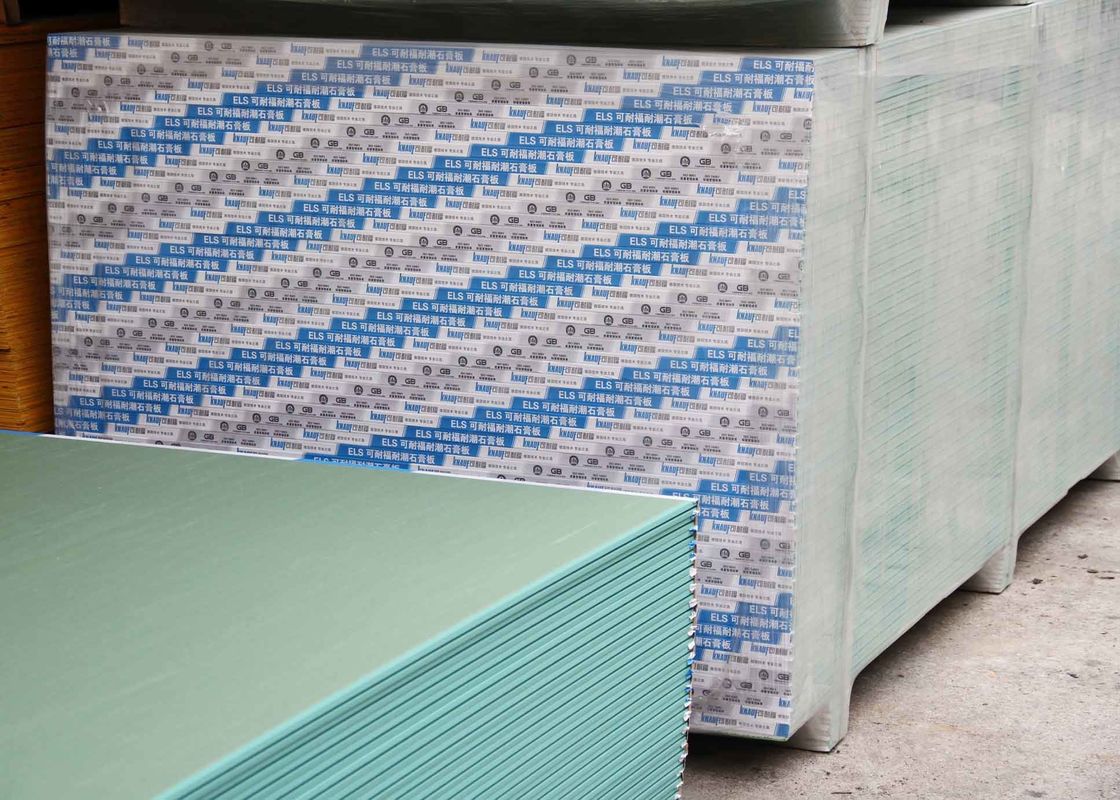
Product Name Moisture Resistant Gypsum Board / Green Plasterboard / MR Drywall Panel For damp interior wall and ceiling applications.
Common Size 1220×2440mm, 1220×2000mm, 1200×2400mm, 4×8 ft, or customized size Confirm according to local framing and handling habits.
Thickness 9mm, 9.5mm, 12mm, 12.5mm, 15mm Ceiling and partition systems may need different thicknesses.
Core Gypsum-based core with moisture-resistant formulation More suitable for humid interiors than standard drywall.
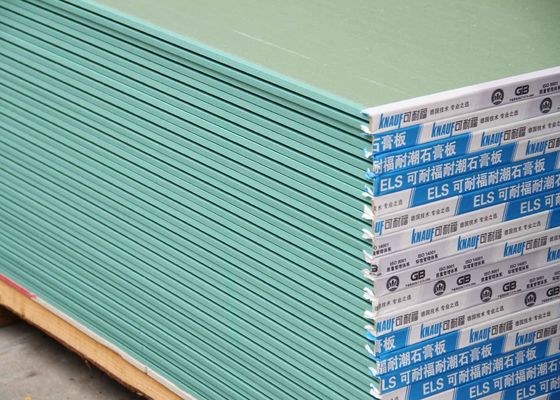
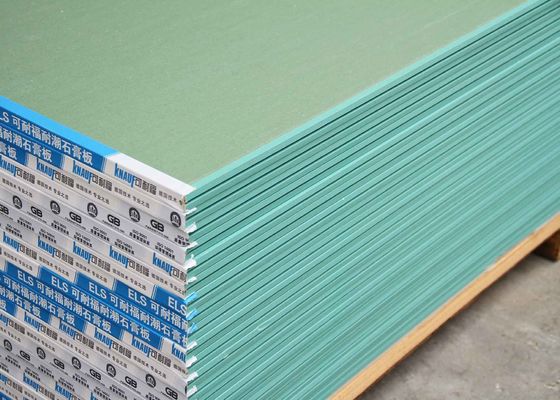
Surface Paper-faced flat surface, commonly green face paper Used for identification, joint treatment and interior finishing.
Edge Square edge or tapered edge Tapered edge is often preferred for smooth joint finishing.
Application Bathroom ceiling, kitchen wall, laundry room, garage, utility room Not for direct soaking, exterior rain or heavy shower tile backing.
MOQ Usually 1×20GP container Depends on size, thickness, packing and loading plan.
Lead Time Normally about 10–20 days after order confirmation Final time depends on quantity and production schedule.
Decision Process

A Simple Way to Choose the Right Board

Before comparing price, divide the project into exposure zones.

1

Identify the Area

Is it a ceiling, partition wall, tile backing area, shower wall or service room?

2

Check Water Exposure

Is the board facing humidity only, occasional moisture, or direct water spray?

3

Check Finishing

Will the surface be painted, coated, skimmed, tiled or waterproofed?

4

Select the Board

Use MR gypsum board for damp drywall areas; consider cement board for heavier wet zones.

This decision process is useful for contractors, importers and distributors because it prevents one material from being applied to every part of the project without checking actual exposure.
Common Mistakes

What Buyers Should Avoid

Most problems come from using a board outside its intended application.

Calling MR Board Waterproof

Moisture resistant gypsum board is not fully waterproof. It is for damp indoor conditions, not for soaking, rain exposure or direct shower water without a proper system.

Using Cement Board Everywhere

Cement board can be useful in wet tile systems, but it may be heavier, harder to cut and unnecessary for ceilings or protected damp interior areas where MR board is enough.

Ignoring the Finish System

Paint, coating, waterproof membrane, adhesive, tile weight, ventilation and joint sealing affect the final result. The board alone does not decide the whole project performance.

Quotation Information Needed

To quote the correct material, the inquiry should explain the project area clearly. A vague request such as “bathroom board” is not enough because a bathroom ceiling and a shower tile wall may require different boards.

Board Type NeededRoom AreaWater Exposure LevelSizeThicknessEdge TypeQuantityFinishing MethodDestination Port

Example: We need moisture resistant gypsum board for bathroom ceilings and kitchen walls, size 1220×2440mm, thickness 12mm, tapered edge. Shower wall tile backing will use cement board. Please quote MR board for one 20GP container with pallet packing and loading quantity.

FAQ

Questions About MR Gypsum Board and Cement Board

Can moisture resistant gypsum board replace cement board?

Not always. It can replace regular drywall in damp interior areas, but cement board is usually safer for direct wet tile areas, shower walls and heavier wet systems.

Where is MR gypsum board a better choice?

It is a good fit for bathroom ceilings, kitchen walls, laundry rooms, garage interiors and protected damp interior areas where a gypsum board finish is needed.

Why not use cement board for every wet-area room?

Cement board can be heavier, harder to cut and more labor-intensive. In damp but not directly wet ceiling or wall areas, moisture resistant gypsum board may be more practical.

What should buyers confirm before ordering?

Confirm the area, water exposure level, finishing method, size, thickness, edge type, quantity, packing and whether the project requires MR gypsum board, cement board or tile backer board.

Moisture Resistant Gypsum Board vs Cement Board · Green Plasterboard · Tile Backer Board · Wet Area Material Selection